Collection: GRACEVILLE: ICON
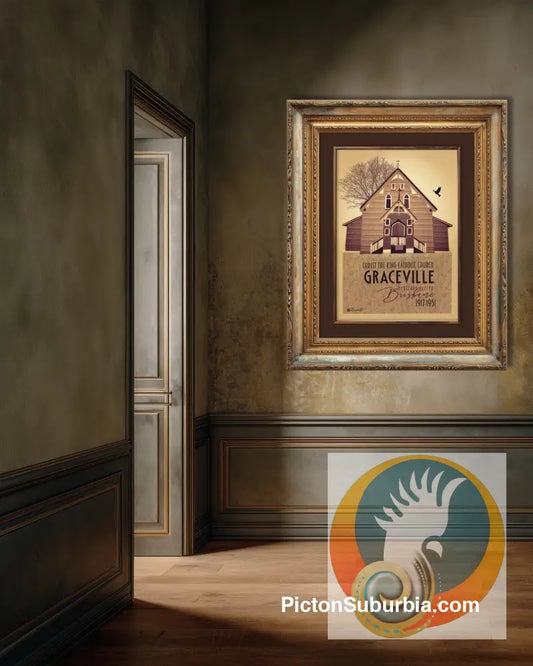
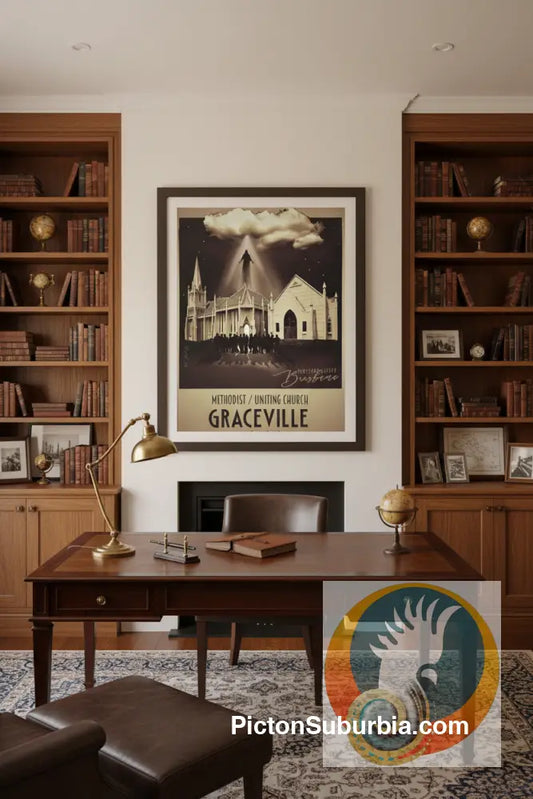
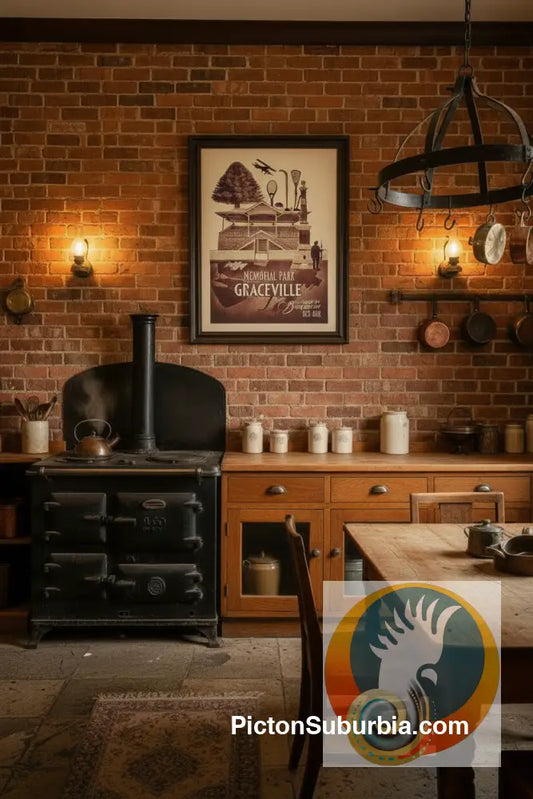
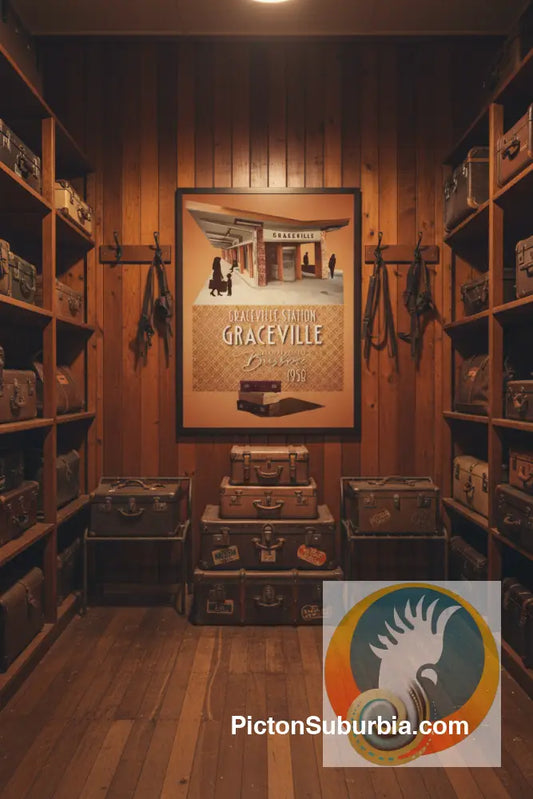
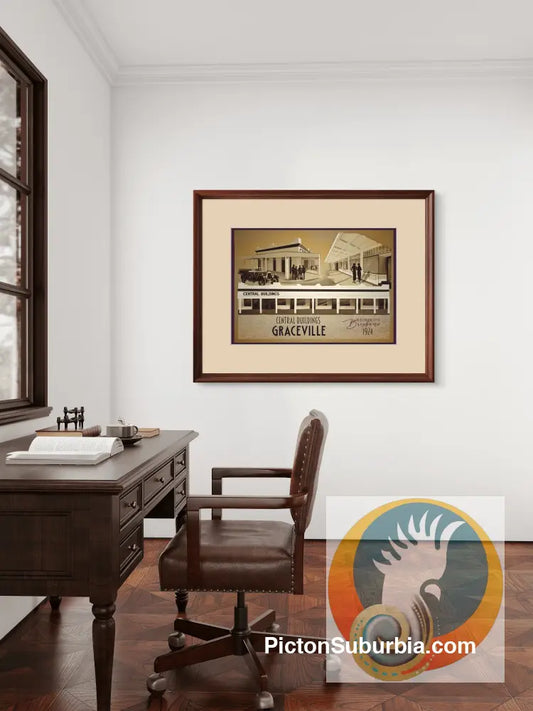
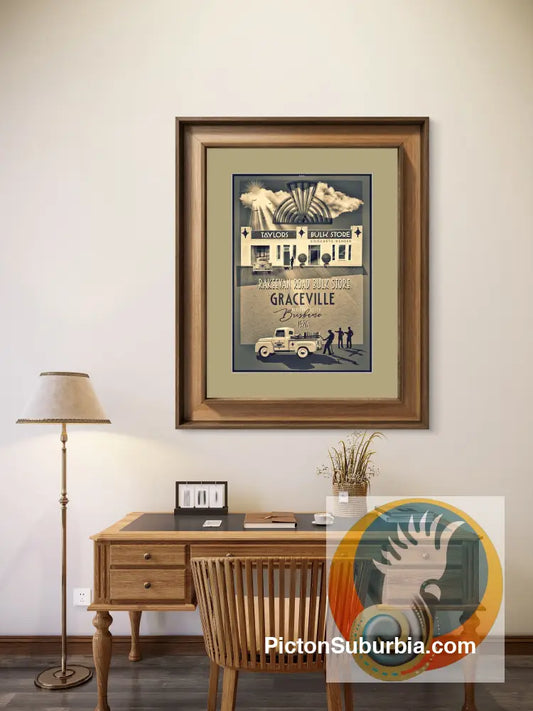
Graceville’s heritage-listed icons reflect the suburb’s development from a semi-rural settlement into a well-established riverside community, with a strong emphasis on public, social, and civic spaces rather than grand residential buildings. Notable examples include the Graceville Uniting Church, an interwar Gothic landmark designed by builder Walter Taylor and constructed between 1917 and 1951, which stands out for its innovative concrete construction and prominent streetscape presence 1&2. Similarly, the Christ the King Roman Catholic Church, originally built in 1893 and relocated to Graceville in 1930, highlights the importance of religious institutions in the suburb’s early community life 3. Public recreational and memorial spaces such as Graceville Memorial Park, featuring a war memorial (1920) and grandstand (1936), demonstrate the suburb’s civic identity and commemoration of local history 4. Transport infrastructure, including the historic Graceville railway station (opened in the late nineteenth century), also played a crucial role in shaping the suburb and remains an important heritage feature 5. Together with early shopping precincts along Honour Avenue and Oxley Road—many originating as small local stores—these non-residential heritage sites form a cohesive network of cultural landmarks that illustrate Graceville’s social, architectural, and community evolution.
References:
- Graceville Uniting Church Complex - Queensland Heritage Register 1
- Graceville Uniting Church - Must Do Brisbane 2
- Christ the King Roman Catholic Church - Heritage Places 3
- Graceville - Queensland Places 4
- Graceville railway station - Wikipedia 5
- Ai generated information

-
Uniting Church: Graceville: Heritage Listed - Art Print
Vendor:Picton SuburbiaRegular price From $30.10 AUDRegular price -
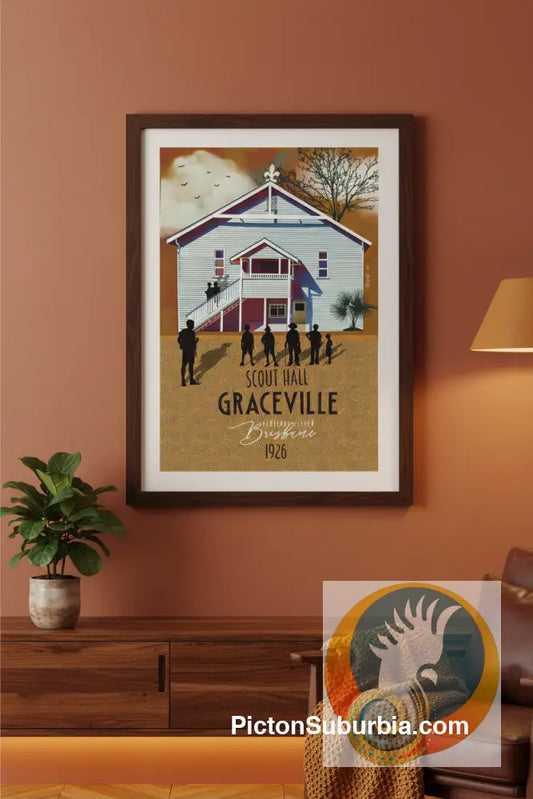
Scout Hall: Graceville Heritage Listed - Art Print
Vendor:Picton SuburbiaRegular price From $30.10 AUDRegular price -
Methodist and Uniting Church: Graceville: Heritage Listed - Art Print
Vendor:Picton SuburbiaRegular price From $30.10 AUDRegular price -
Memorial Park: Graceville: Heritage Listed - Art Print
Vendor:Picton SuburbiaRegular price From $30.10 AUDRegular price -
Graceville Train Station: Graceville: Heritage Listed - Art Print
Vendor:Picton SuburbiaRegular price From $30.10 AUDRegular price -
Central Building: Graceville: Heritage Listed - Art Print
Vendor:Picton SuburbiaRegular price From $30.10 AUDRegular price -
Rakeevan Rd (11) Graceville: Heritage Listed - Art Print
Vendor:Picton SuburbiaRegular price From $30.10 AUDRegular price