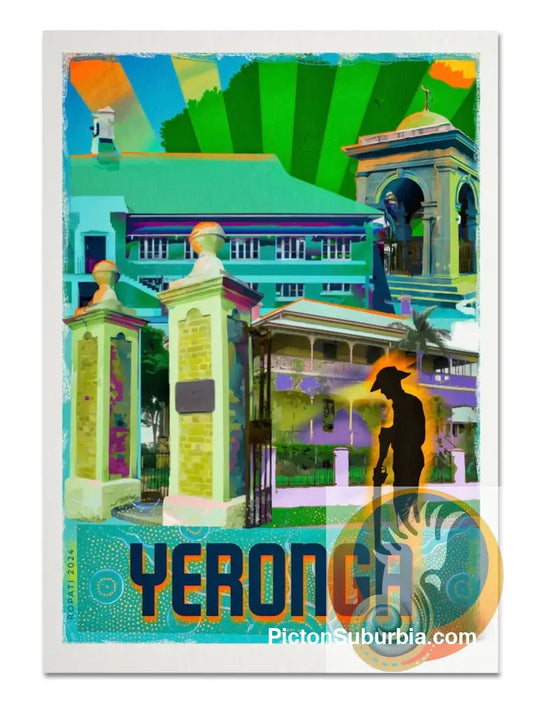
Collection: Yeronga Collection
Yeronga, a riverside suburb in Brisbane, has a long history shaped by Indigenous occupation, early farming, and later suburban development. Before European settlement, the area was inhabited by the Jagera people, who lived along the Brisbane River and used the land for hunting and gathering. 1 The suburb’s name is believed to come from an Aboriginal word, often interpreted as meaning a “sandy place,” or from the name of a residence called Yerong-lea. 1&2 European settlement began in the late 1840s with farming activities, including crops such as maize, arrowroot, and potatoes, supported by fertile riverside land. 2 Land sales in the 1850s led to the establishment of riverside estates, and by the 1860s community infrastructure such as schools had emerged. 2 The opening of the railway line in the 1880s marked a turning point, encouraging suburban growth and attracting affluent residents who built large homes in the area. 2&3 Throughout the early 20th century, Yeronga developed further with recreational facilities, tram connections, and community organisations, while parts of the suburb remained prone to flooding due to its proximity to the river. 2 During World War II, the area played a role in the war effort, with Yeronga Park used as a military camp and nearby buildings adapted for military purposes. 2 Today, Yeronga is a well-established residential suburb that reflects its transition from rural farmland to a suburban community with strong historical ties to Brisbane’s river and transport networks.
Reference List

-
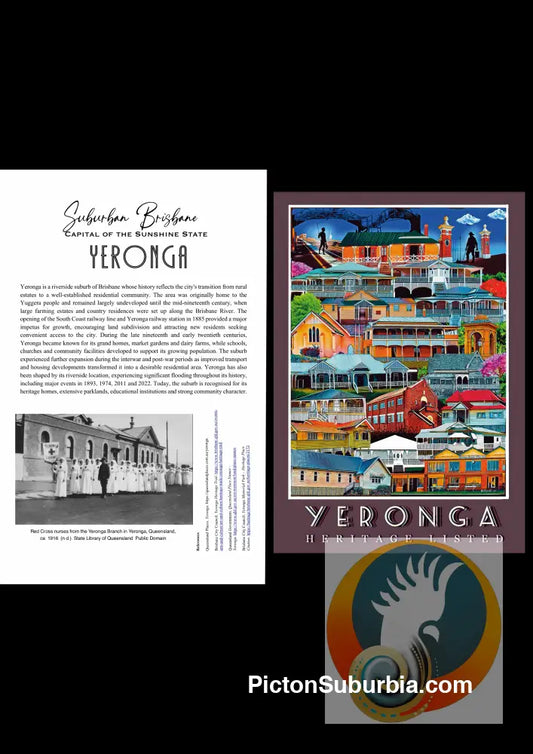
Yeronga Suburb ‘Maroon’ Greeting card Pack / Set of 5
Vendor:Picton SuburbiaRegular price $17.99 AUDRegular price -
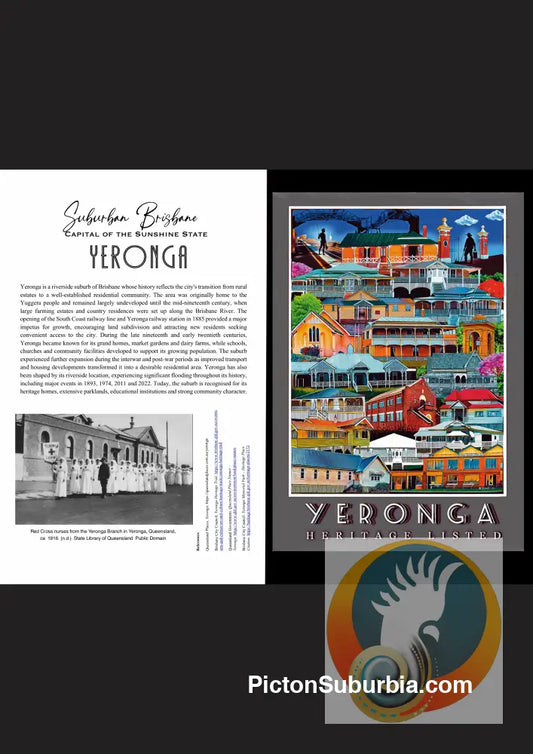
Yeronga Suburb ‘Grey’ Greeting card Pack / Set of 5
Vendor:Picton SuburbiaRegular price $17.99 AUDRegular price -
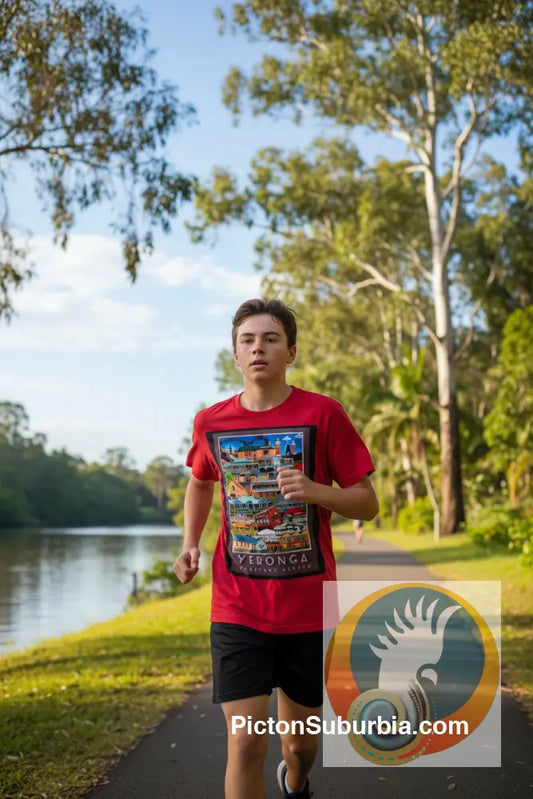
Yeronga Suburban: Tee
Vendor:Picton SuburbiaRegular price $49.00 AUDRegular price -
Yeronga “Suburban Tee
Vendor:Picton SuburbiaRegular price $49.00 AUDRegular price -
Yeronga Heritage Listed (Maroon Border) Tea Towel
Vendor:Picton SuburbiaRegular price $37.00 AUDRegular price -
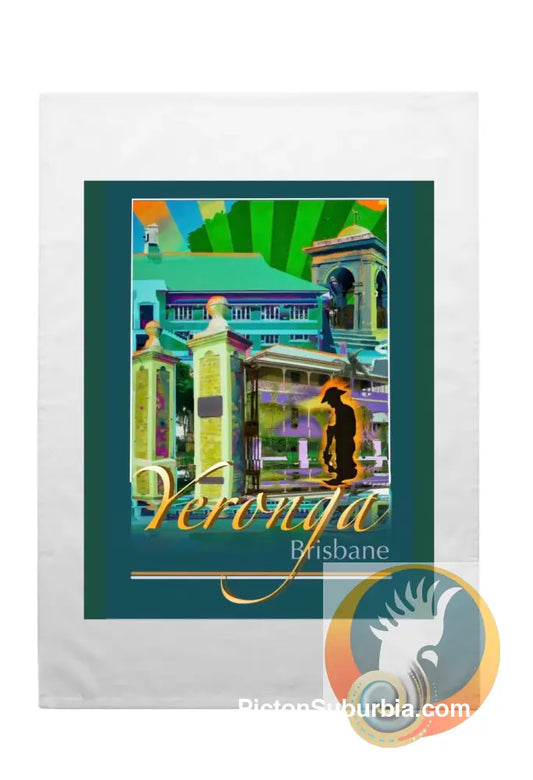
Yeronga: 100% Cotton Tea Towel
Vendor:Picton SuburbiaRegular price $37.00 AUDRegular price -
Yeronga: Heritage Listed Icons Tote
Vendor:Picton SuburbiaRegular price $41.52 AUDRegular price -
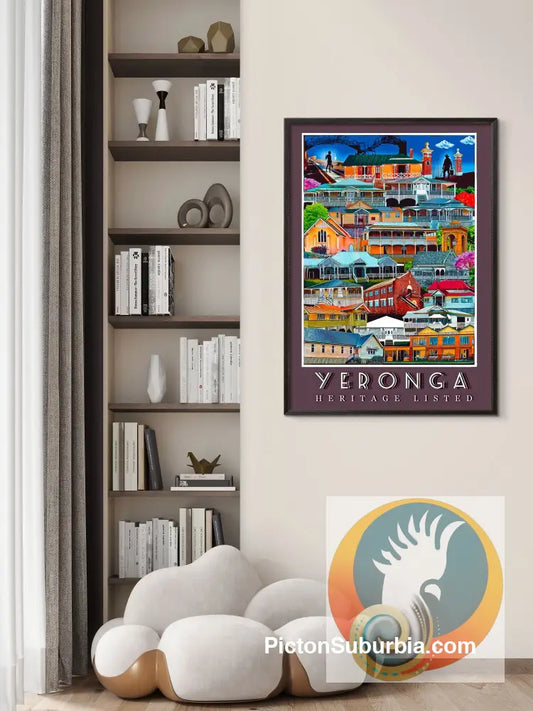
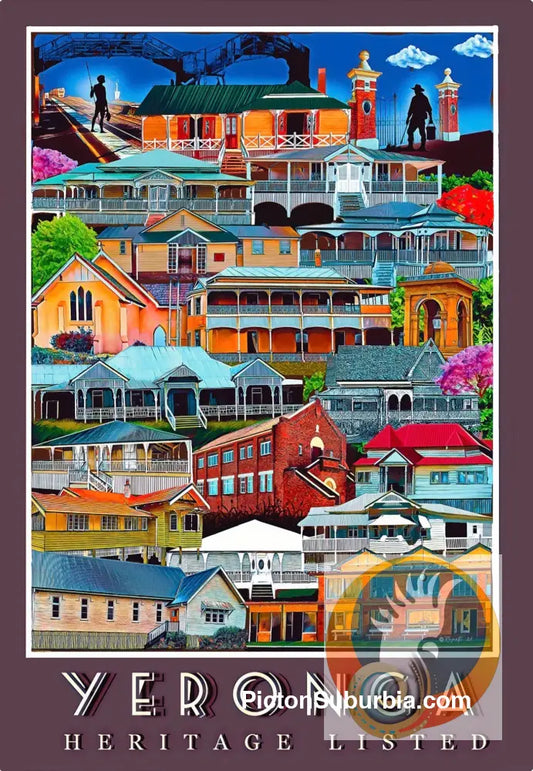
Yeronga: Heritage-Listed Suburb Art Print (Maroon Border)
Vendor:Picton SuburbiaRegular price From $18.27 AUDRegular price -
Yeronga: Heritage Listed Postcard Pack / Set of 5 / A6 or A5 /
Vendor:Picton SuburbiaRegular price From $4.00 AUDRegular price -
Yeronga: Heritage Listed Postcard Maroon Border / Set of 5 / A6 or A5 /
Vendor:Picton SuburbiaRegular price From $4.00 AUDRegular price -
Yeronga: Heritage Listed Tea Towel
Vendor:Picton SuburbiaRegular price $37.00 AUDRegular price -
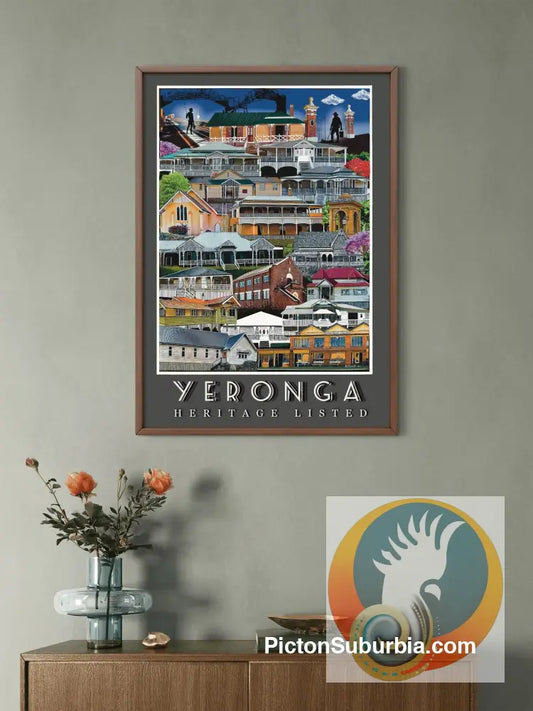
Yeronga: Heritage-Listed Suburb Art print
Vendor:Picton SuburbiaRegular price From $18.27 AUDRegular price -
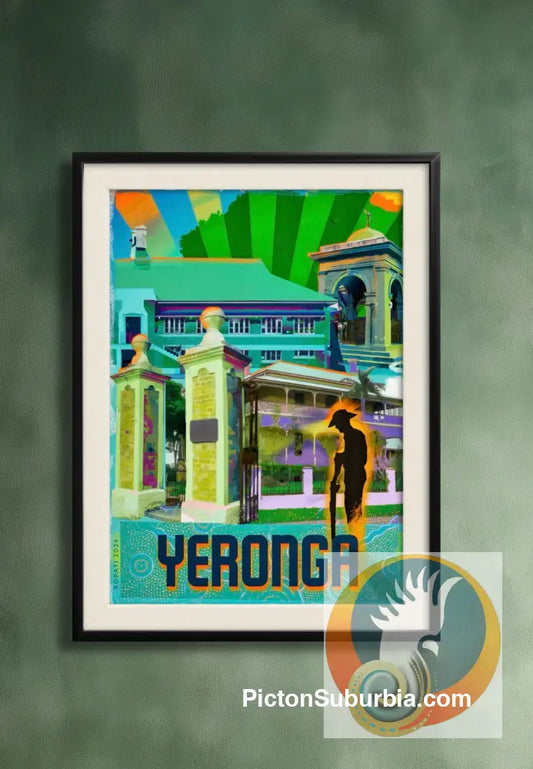
Yeronga: Suburb Art Print
Vendor:Picton SuburbiaRegular price From $18.27 AUDRegular price -
Yeronga Tote
Vendor:Picton SuburbiaRegular price $48.00 AUDRegular price